Understanding Leash Reactivity in Dogs: A Deeper Look Through Calm Leadership
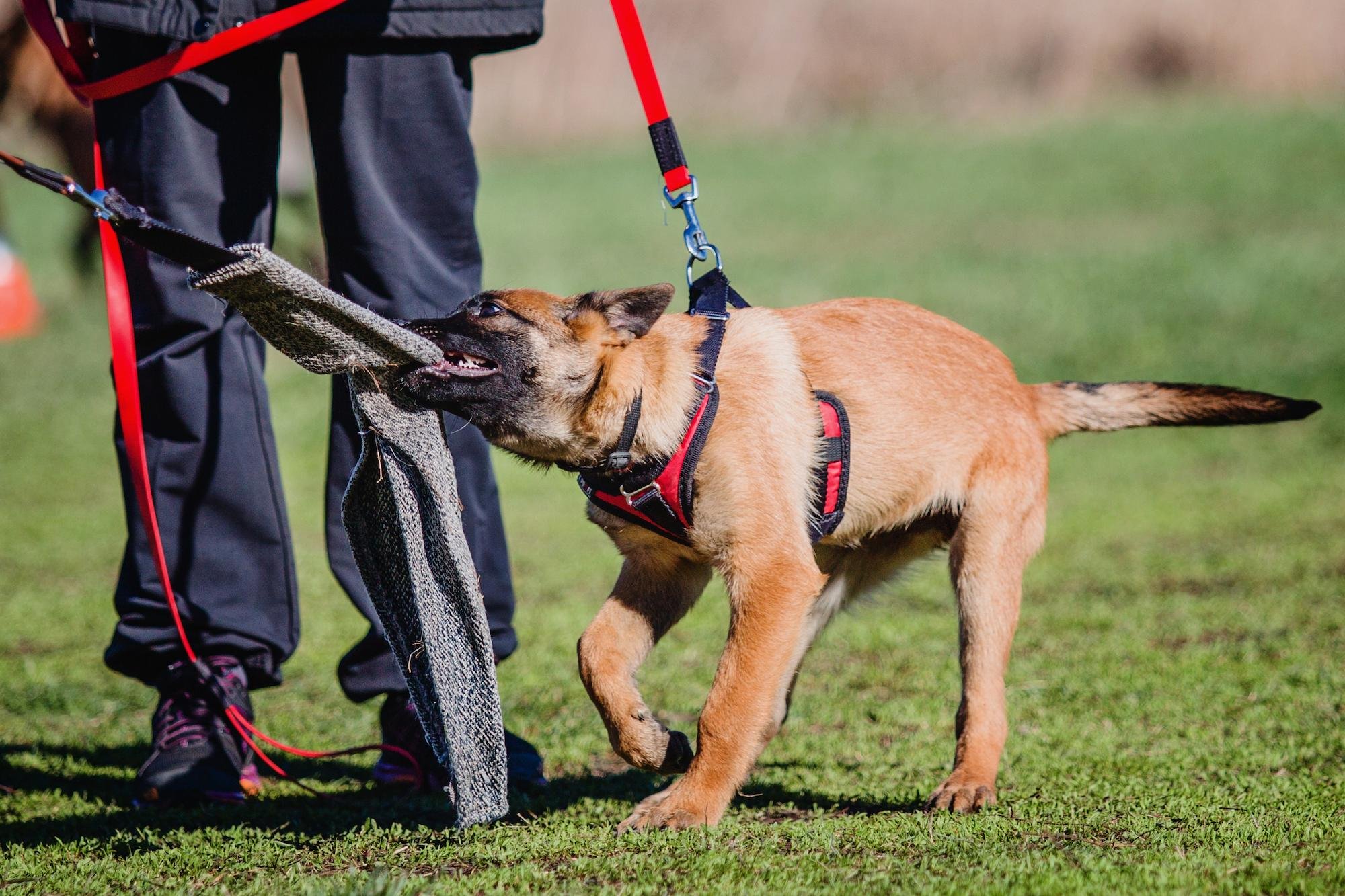
Hello, Oklahoma dog families. Those tense moments on a walk—your pup suddenly stiffens, barks sharply, lunges forward, or even freezes—can leave you both feeling on edge and disconnected. Leash reactivity is one of the most common challenges I hear about from owners here in Skiatook and across our state. It turns what should be relaxing outings into stressful ordeals, and it often leaves people wondering, "Why is my dog doing this?" and "What went wrong?"
As Jen Pinder, the dedicated trainer at Training by Jen, I've spent years observing and working with dogs who show this behavior. My approach stays grounded in Cesar Millan's timeless philosophy: dogs thrive under calm-assertive leadership, and their actions reflect their state of mind, energy levels, and the clarity of the pack dynamic. Rather than jumping straight to "how to fix it" (since every dog is truly unique in what resonates), let's take a step back to explore what leash reactivity really is and the deeper reasons it shows up. Understanding the "why" often brings more peace and direction than quick tips alone.
What Leash Reactivity Actually Looks Like
Leash reactivity isn't the same as outright aggression, though it can look intense. It typically involves exaggerated responses to triggers—other dogs, people, vehicles, or even unfamiliar sounds—while on leash. You might see:
Explosive barking or growling
Lunging or pulling hard toward the trigger
Freezing with a stiff body and wide eyes
Whining, pacing, or redirecting frustration onto the leash or handler
The key difference from off-leash behavior is the restraint itself. Many dogs who are friendly when loose become highly reactive when leashed, which highlights how the tool changes their emotional state.
The Core Reasons Behind Leash Reactivity (Cesar's Perspective)
Cesar Millan often explains reactive behaviors through the lens of natural dog psychology, energy, and leadership—ideas rooted in observing dogs as descendants of wolves with strong instincts.
Frustration from Restraint and Blocked Instincts When a dog spots something intriguing (another dog, a person, a squirrel), their natural drive is to approach, investigate, greet, or defend. The leash stops that forward movement abruptly, creating opposition and building internal pressure. Cesar points out that this frustration can turn into vocalizing or lunging because the dog feels trapped in a state of unresolved energy. It's not "badness"—it's instinct meeting a barrier.
Lack of Calm Leadership and Direction Dogs look to their human for guidance on how to interpret the world. If the handler becomes tense, anxious, or uncertain when a trigger appears (even subtly—tightening the grip, quickened breath, or hesitant steps), the dog reads this as instability. In response, they step up to "protect" or take control, raising their own energy to fill the leadership void. Cesar emphasizes that dogs mirror our state: when we lower our energy to calm confidence, they feel safer and less need to react.
Fear or Overwhelm Masquerading as Boldness Many reactive dogs are actually fearful underneath. The leash limits their ability to flee or create distance, so they default to a "fight" display to push the perceived threat away. Cesar often describes this as misplaced survival energy—rooted in past experiences, lack of early socialization, or simply feeling overwhelmed in a busy environment.
Pent-Up Energy and Imbalance in Exercise, Discipline, Affection A dog with excess physical or mental energy has nowhere to channel it. Walks become the main outlet, but without structure, they turn into outlets for frustration. Cesar's famous balance—exercise to drain energy, discipline to provide rules and boundaries, affection as a reward—helps keep a dog in a calm-submissive state where reactivity is less likely to erupt.
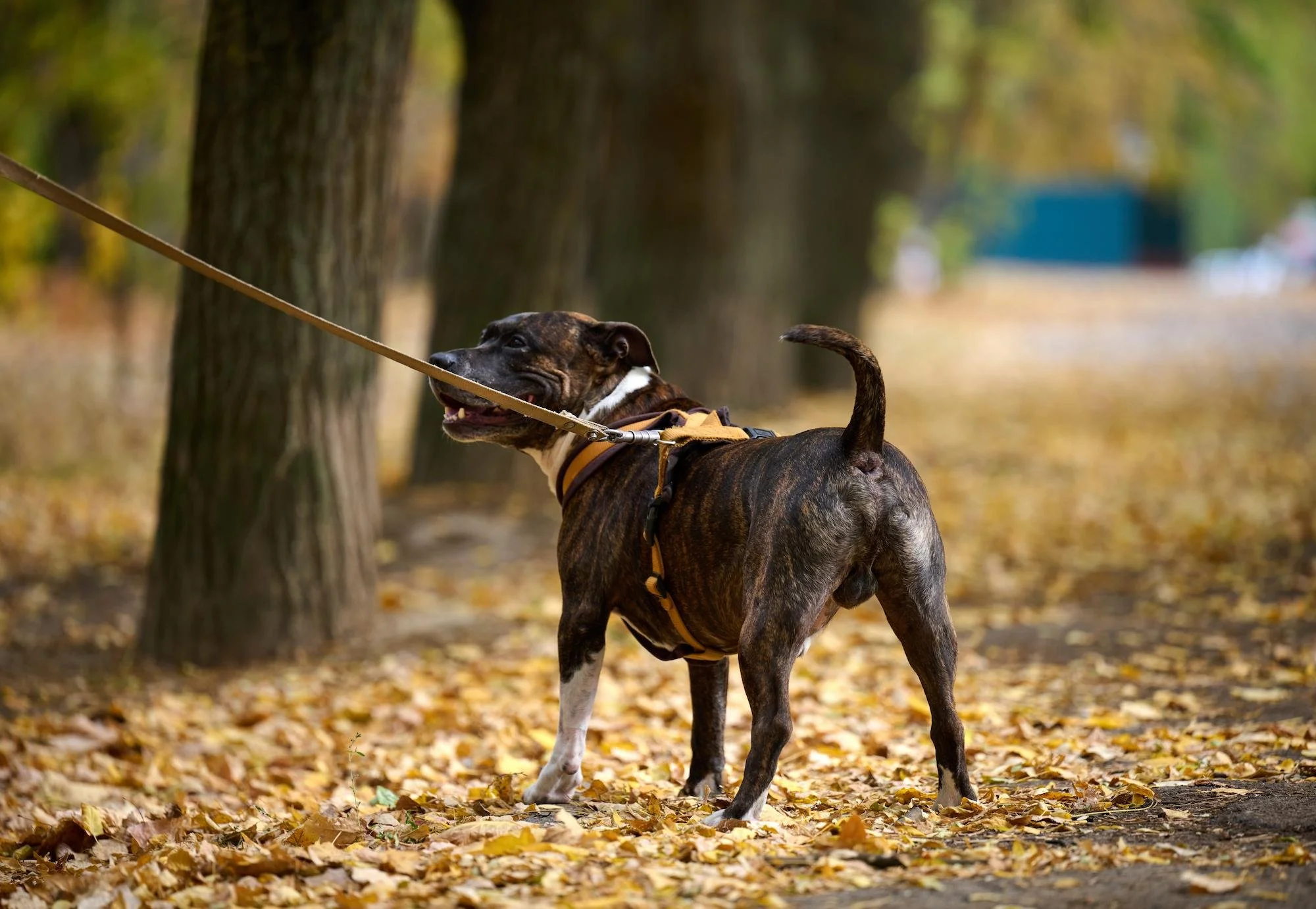
Tool and Technique Influence Cesar frequently notes how equipment affects mindset. A low-attachment harness or collar can trigger more drive and forward opposition (activating fight-or-flight reflexes), while a higher placement (like a properly used head halter or certain collars) communicates calmer direction. The leash becomes a direct line of communication for energy, not just control.
Why This Matters for Your Oklahoma Pack
Here in our wide-open spaces and growing neighborhoods, walks should be a joy—fresh air, new scents, bonding time. When reactivity clouds that, it limits freedom and strains the relationship. The beauty of Cesar's philosophy is its focus on the human side: our energy, timing, consistency, and leadership set the tone. Reactivity often reflects a need for clearer communication and balance rather than a "broken" dog.
Every pup's story is different—some carry past experiences, others high drive, some simply uncertainty. That's why a one-size-fits-all tip sheet rarely captures the full picture. Instead, tuning into your dog's subtle signals (body language, energy shifts) and reflecting on your own presence during walks opens the door to real understanding.
If these moments feel familiar and you're ready to explore how calm leadership and personalized guidance can help your dog feel more secure on leash, I'm here. At Training by Jen, we start with a free consultation to listen to your experiences and observe your pup's unique way of being. From there, we build a plan that honors their personality and your goals—whether through private sessions or board-and-train immersion.
You're already showing love by seeking to understand rather than just stop the behavior. That mindset makes all the difference. What's one thing you've noticed about your dog's reactions on walks that stands out to you? Share in the comments if you'd like—I'm listening, and I'd love to offer thoughts. Here's to calmer walks and deeper trust ahead. 🐕💙