Understanding and Addressing Aggressive Behavior in Dogs: A Compassionate Path Forward
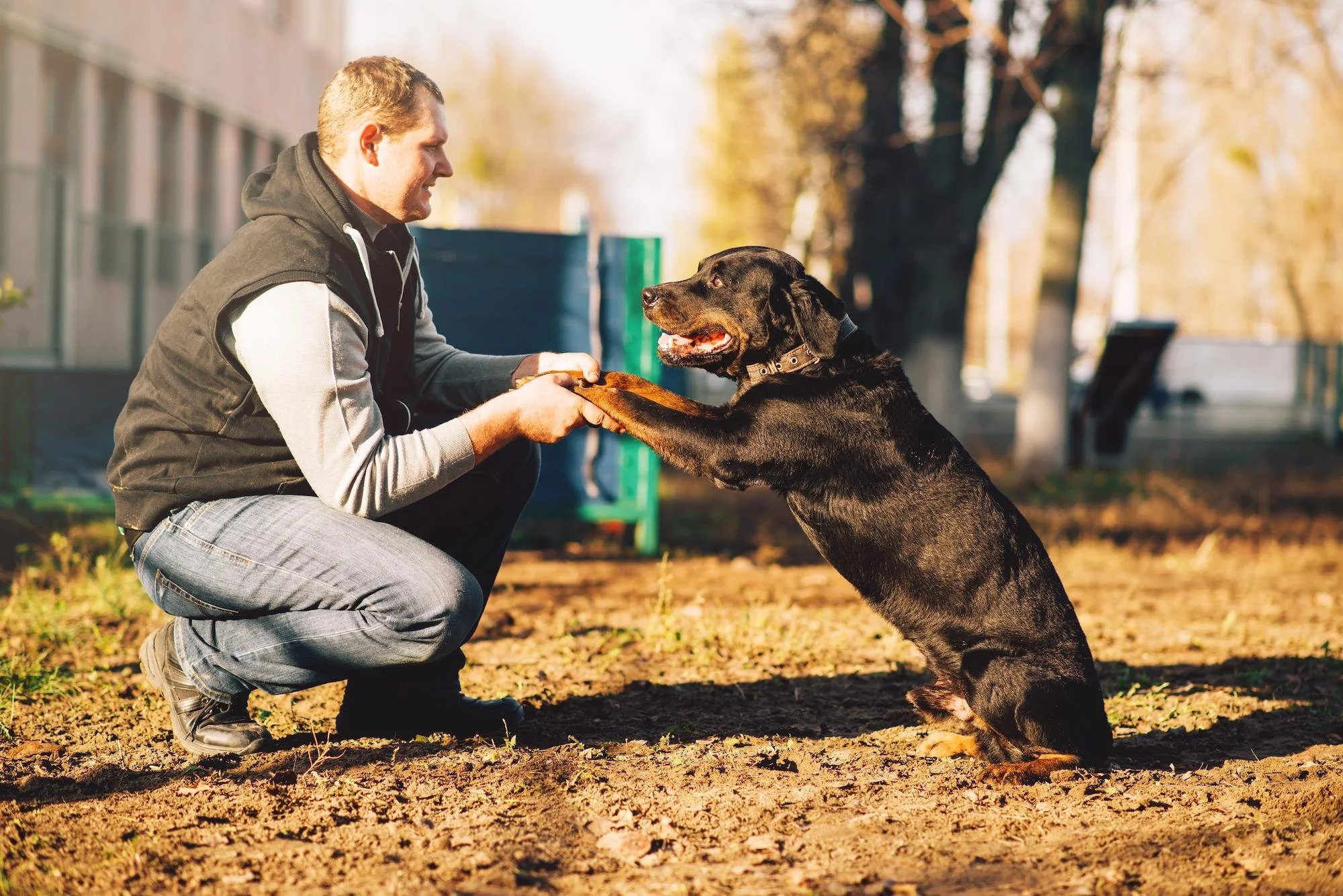
Hello, Oklahoma dog parents. When your loyal companion shows signs of aggression—growling at visitors, snapping over resources, or reacting intensely on walks—it can feel heartbreaking and scary all at once. You love your dog deeply, yet those moments create tension in the home and worry for everyone's safety. As Jen Pinder, the sole trainer behind Training by Jen in Skiatook, I have worked closely with many families facing these exact challenges. Aggression does not define your dog; it signals unmet needs, fear, frustration, or confusion about boundaries. With patience, clear leadership, and a balanced approach, we can help them feel secure and shift toward calmer, more trusting interactions.
My methods draw directly from Cesar Millan's philosophy: calm-assertive energy, understanding pack dynamics, and respecting each dog's unique personality. Whether your pup fits the Grumpy Guardian type (fear-based or territorial responses) or shows possessive tendencies, the focus stays on building confidence, redirecting instincts, and restoring harmony without harshness. This article explains what aggression often means, safe first steps you can take at home, and why professional guidance frequently becomes the turning point for real, lasting change.
Recognizing the Different Faces of Aggression
Aggression appears in varied forms, each with its own roots:
Fear-Based Aggression — A dog backs away, growls, or snaps when feeling threatened, often from past experiences or lack of socialization.
Resource Guarding — Protecting food, toys, beds, or even people with stiff posture, staring, or biting.
Territorial or Protective Responses — Barking, lunging at doors, fences, or strangers approaching the home.
Frustration or Redirected Aggression — Built-up energy exploding toward the nearest target when excitement or restraint overwhelms them.
Dog-to-Dog Issues — Reactivity on leash or intolerance toward other canines.
These behaviors communicate discomfort or a perceived need to control the situation. Spotting early warnings—like stiffening, lip curling, whale eye, or freezing—allows intervention before escalation.
Immediate Safety Steps Every Owner Should Take
Your dog's well-being and your household's safety come first. While working toward change:
Manage the environment to prevent rehearsals of aggressive behavior (use baby gates, crates, or leashes for control).
Avoid forcing interactions that trigger reactions (no pushing faces together or punishing displays).
Keep high-value items (bones, favorite toys) out of reach during training phases.
Never leave aggressive dogs unsupervised around children, strangers, or other pets.
These boundaries create space for learning without constant stress.
Foundational Strategies to Begin Shifting Behavior
Positive, balanced techniques form the core of effective change. Start small and build gradually:
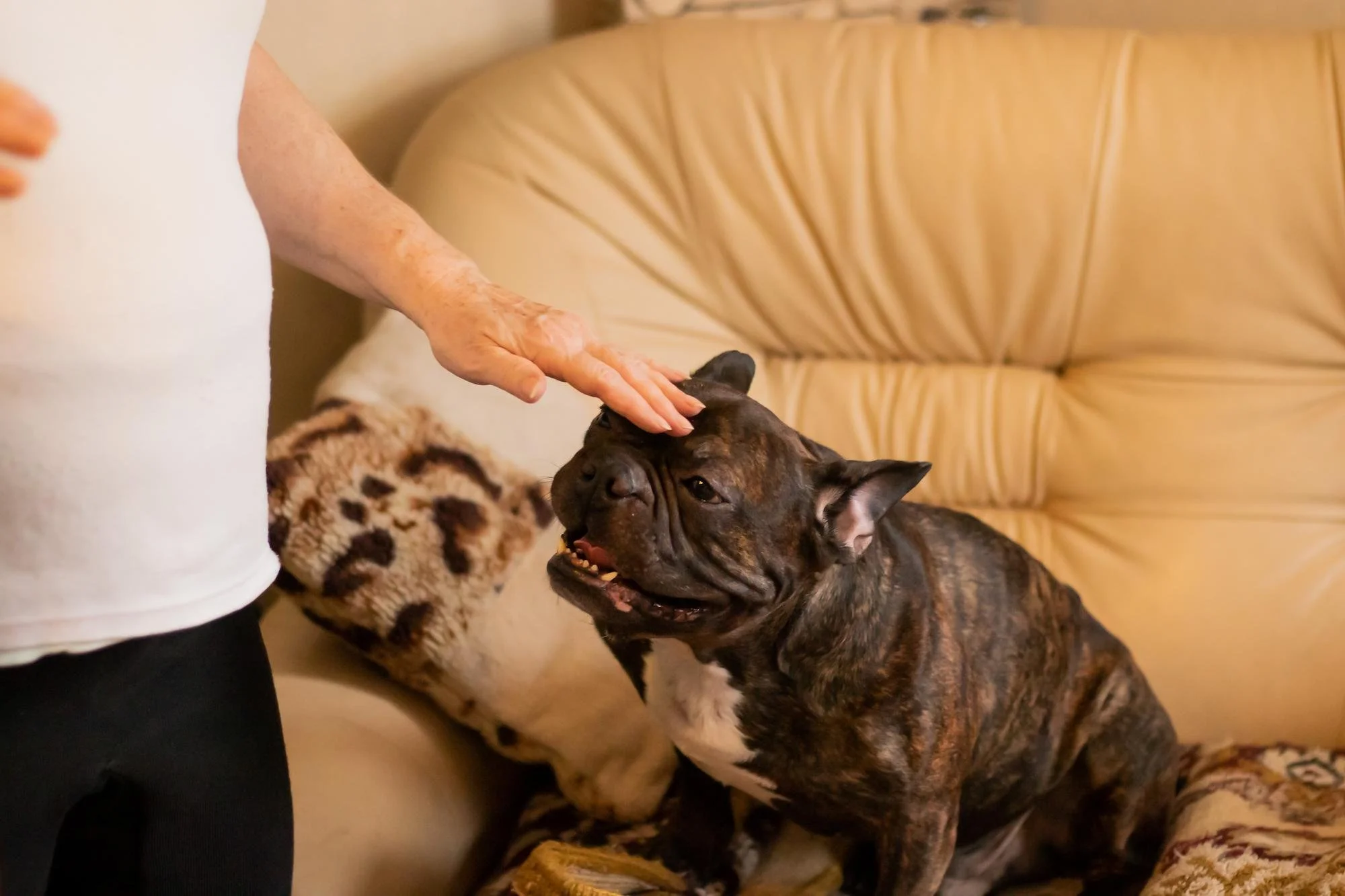
Establish Calm Leadership Daily Lead with steady, relaxed energy on walks, during meals, and in quiet moments. Dogs mirror our state—project calm confidence to invite theirs.
Build Positive Associations Pair triggers with good things from a safe distance (treats for calm glances at people or dogs). Over time, what once caused fear becomes neutral or positive.
Teach Alternative Behaviors Reward "sit" or "place" in low-stress settings, then introduce mild triggers while reinforcing the calm choice. Consistency turns new habits into defaults.
Drain Excess Energy and Provide Mental Work Structured exercise, puzzle toys, and obedience drills reduce frustration that fuels outbursts.
Use Fair, Clear Corrections When Appropriate In moments of escalation, a timely interruption (firm verbal cue or body block) followed by redirection to calm behavior clarifies boundaries without fear.
Progress requires time—weeks to months—and tracking small wins keeps motivation high.
Why Many Aggressive Cases Benefit from Professional Support
Aggression is complex; misreading signals or pushing too hard can worsen it. A trained eye spots subtle body language, designs safe exposure ladders, and tailors plans to your dog's personality and your lifestyle. Home attempts sometimes stall because owners lack the timing, distance control, or tools to succeed safely.
At Training by Jen, I offer personalized private sessions and board-and-train immersions that dive deep into behavior modification. We address root causes compassionately, rebuild trust, and equip you with hands-on skills for ongoing success. Many Oklahoma families have seen their once-guarded or reactive dogs become relaxed, confident members of the household.
Moving Toward a Safer, Happier Home
Aggression does not have to be permanent. With empathy, structure, and expert guidance, your dog can learn the world feels secure under your calm leadership. The transformation brings relief, stronger bonds, and freedom to enjoy life together.
If your pup's behavior has you concerned, start with a free consultation. We can discuss your situation openly and map a path that fits. What specific signs have you noticed lately? Share in the comments if you'd like—I am here to listen and offer thoughts. Here's to peaceful homes and trusting hearts across Oklahoma. 🐕🕊️