Welcoming a New Puppy: Your Guide to Puppy Training and Basic Obedience
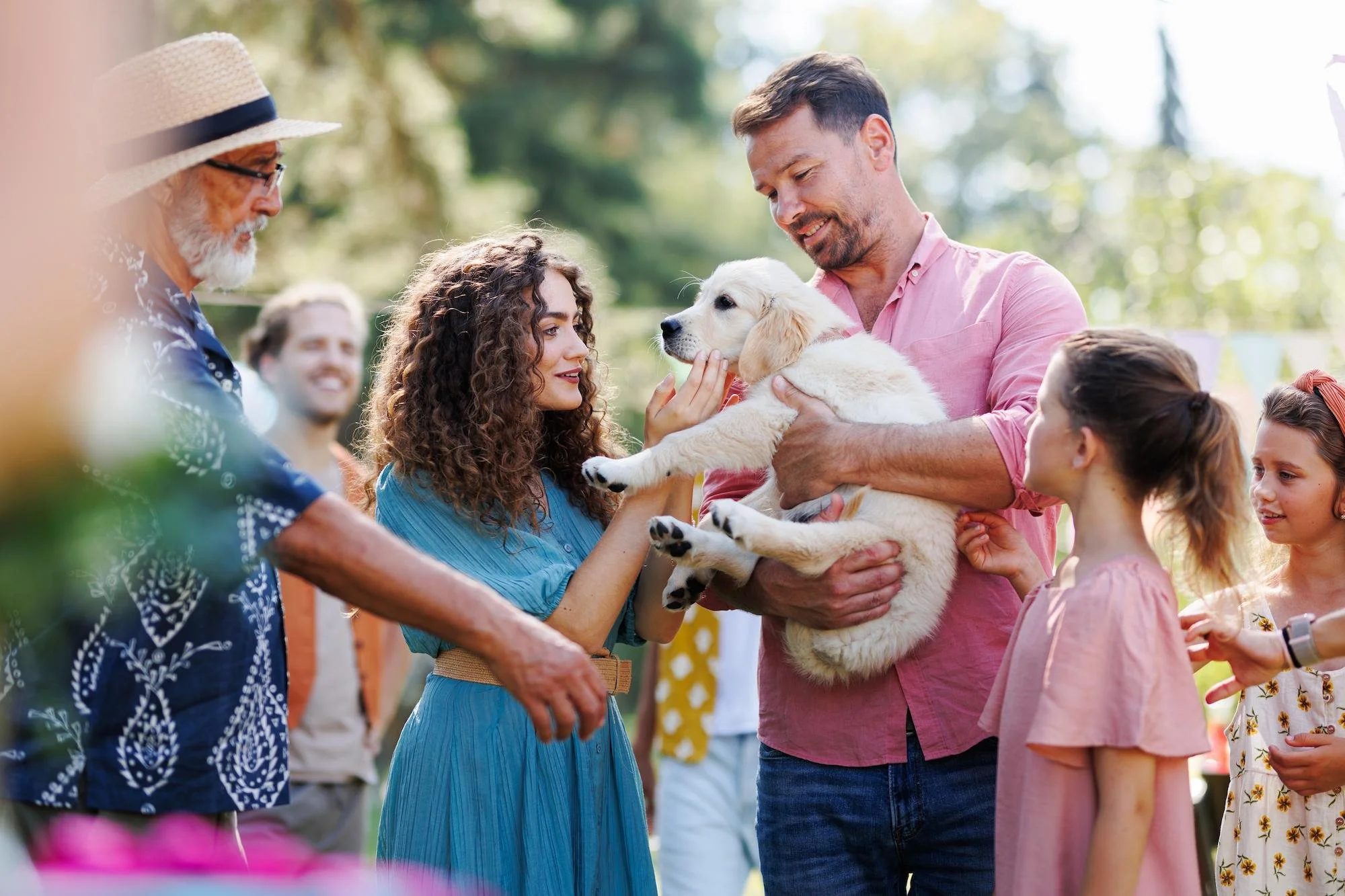
Hello, Oklahoma puppy parents! That first week with a new pup is pure magic—those clumsy little steps, the way they tilt their head at every new sound, the instant they melt into your lap. It’s easy to get swept up in the cuteness, yet those early days are also the perfect window to lay down foundations that make life together calm, safe, and fun for years to come. As Jen Pinder, the trainer behind Training by Jen in Skiatook, I love guiding new owners through this special phase. With spring just starting to peek through, more families are bringing home puppies and dreaming of adventures on trails and in parks—exactly why solid basics matter now.
My approach stays rooted in Cesar Millan’s balanced philosophy: calm leadership, clear communication, and respect for each puppy’s emerging personality—whether yours is a bold explorer or a more thoughtful observer. This guide focuses on the essentials of puppy training and basic obedience in a gentle, practical way. We’ll cover why timing is everything, the core commands I teach first (with precise meanings I use in my programs), everyday habits that reinforce learning, and how playing can build powerful skills. You’re already doing the most important part—caring deeply. Let’s turn that love into confidence for both of you.
Why the First Few Months Are So Powerful
Puppies between 8 and 16 weeks are in their most impressionable learning window. Their brains soak up routines, rules, and associations like sponges. Clear, consistent guidance during this time prevents many common issues (nipping, jumping, house soiling) from becoming habits. Short, upbeat sessions—5 to 10 minutes, several times a day—keep their attention high and end on a positive note. Always finish with praise, a treat, or a quick game so they associate training with joy.
Core Commands I Teach First—and What They Really Mean
I use very specific meanings for these foundational cues, drawing partly from service-dog puppy-raising principles that create clarity and reliability long-term. Many trainers blend them, but I keep them distinct so your pup understands exactly what you expect.
Name Recognition (The Instant Attention Cue) Say their name in a warm, upbeat tone. The second they look at you, mark with "yes!" and reward. This becomes the doorway to every other command—they learn to check in with you immediately.
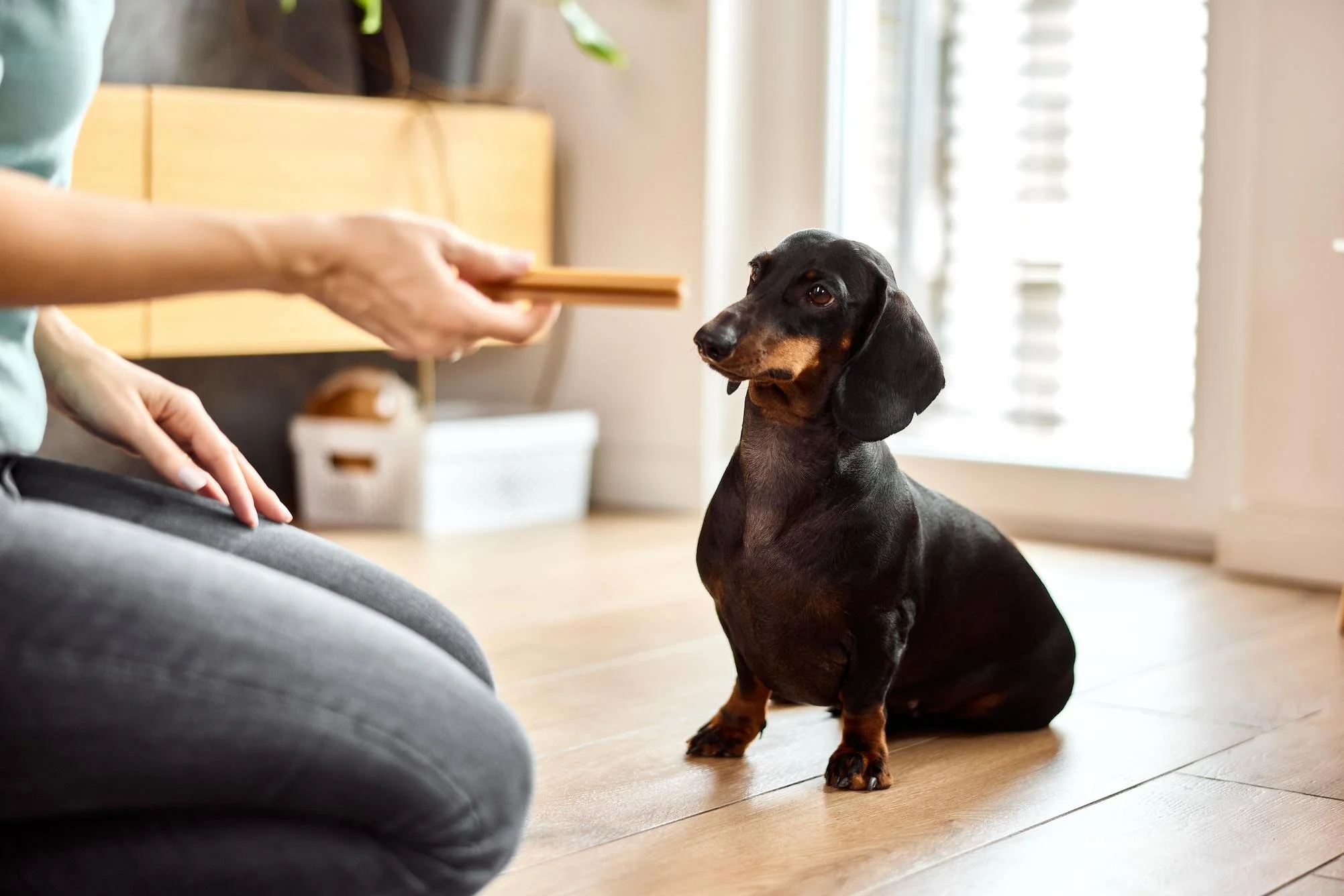
Sit Hold a treat just above their nose and slowly arc it back over their head. As their eyes follow, their bottom drops. The instant it touches the floor, say "sit" and reward. Practice before every meal, door opening, or greeting to make it automatic polite behavior.
Come (Reliable Recall) Indoors first: call name + "come" happily, back away a few steps, and celebrate wildly when they reach you (treats, play, big praise). Keep it 100% positive—never call them for something unpleasant early on.
Down From a sit, lure the treat straight down between their front paws until their elbows and belly lower. Say "down" as they go, then reward. This calm position is invaluable for settling excitement or creating space in busy settings.
Leave It — A firm "do not touch / do not take" command This is not a casual suggestion—it’s a clear boundary. Show a treat in your closed fist. If they paw, sniff aggressively, or try to get it, stay still and silent. The moment they back off or look away, mark "yes" and reward from your other hand with a different treat. Over time, they learn that ignoring something on cue brings better rewards. Use this for food on the floor, trash, or anything off-limits.
Drop It — Release what’s in their mouth (great for play) This teaches that giving something up leads to good things and keeps play safe and fun. Start during tug games (more on that below). When they have the toy, present a higher-value treat or another toy while saying "drop it." The instant they release, praise and give the trade.
Out — Immediate release of anything they should not have (very firm) This is the emergency "spit it out now" command. Say "out" in a low, serious tone. If it’s something dangerous (sock, chicken bone, plant), pair it with a firm correction if needed (quick leash pop or body block) while offering a trade only after release. The priority is safety and instant compliance—clarity here can prevent serious issues later.
Turn Play into Powerful Training
One of my favorite ways to teach "drop it" is through controlled tug games. Tug is excellent for puppies—it builds drive, confidence, and impulse control—when done right.
Let them win most of the time (keeps them engaged).
Pause play periodically, say "drop it," and offer a trade (treat or second toy).
The moment they release, restart the game with big excitement.
Most importantly, always end the game while they still want to play more. Stop before they get tired and lose interest in bringing the toy back to you or just lie down to chew it. Ending on a high note builds desire and makes them eager to play again next time. This keeps the game fun and reinforces that releasing the toy leads to more good things.
Keep sessions short, end before they get over-aroused, and always let them win the last round so they finish feeling successful.
Daily Habits That Build a Strong Foundation
Training lives in the little moments:
Crate as a safe den + frequent potty trips outside with big rewards for going in the right spot.
Redirect chewing to appropriate toys (yelp and stop play if teeth touch skin).
Controlled socialization—safe exposure to new people, sounds, surfaces (carry or use a stroller before full vaccinations).
Practice "wait" at doors and meals to build patience.
Mental games—scatter kibble, short scent searches, or puzzle toys to tire their busy minds.
When to Reach Out for Extra Guidance
Puppies are forgiving learners, but every one is different. If nipping feels intense, house training stalls, or fearfulness appears, early professional support prevents bigger problems. My private lessons and board-and-train programs at Training by Jen are tailored exactly to your puppy’s personality and your goals—whether you want rock-solid basics or prep for future service work.
If you’re in those whirlwind early weeks and want a hand, book a free consultation. We can talk through what you’re seeing and map out the next best steps. What’s one adorable (or challenging!) thing your new pup has already learned or surprised you with? Share in the comments—I’d love to hear and celebrate with you. Here’s to tiny tails, big futures, and the sweetest start possible. 🐾🌷