How to Stop Your Dog from Jumping on People: Gentle Techniques for a Polite Pup
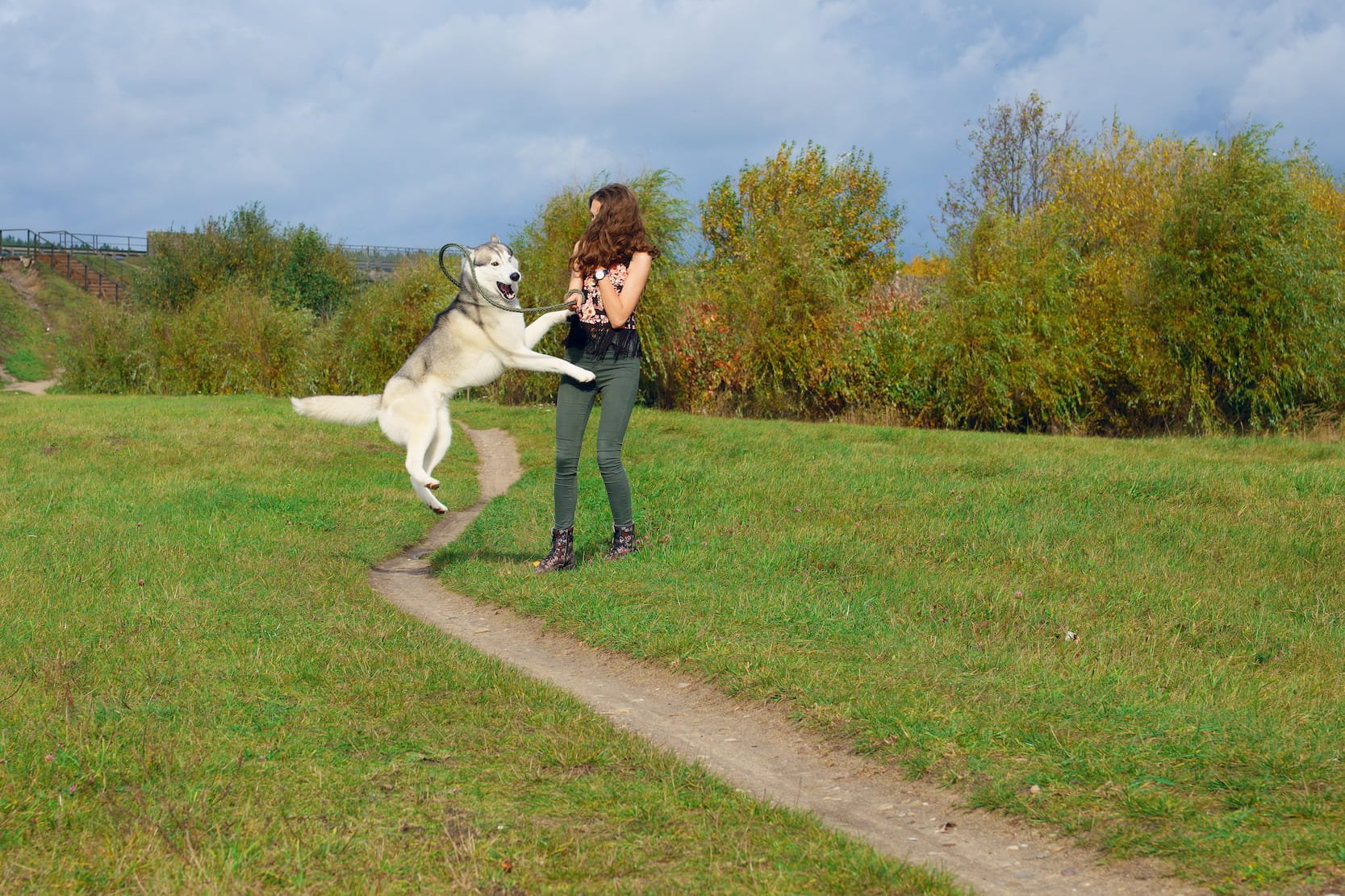
Greetings, fellow Oklahoma dog enthusiasts. Envision opening your front door to welcome a friend, only for your exuberant pup to launch like a spring-loaded toy, paws on shoulders and tail whipping wildly. While the intention often comes from pure joy, those enthusiastic greetings can knock over guests, soil clothes, or create unease around children. As an experienced trainer deeply invested in fostering joyful connections between dogs and their families across our sunny state, I have supported many owners through this common hurdle. Jumping usually stems from excitement rather than mischief, and with thoughtful, consistent guidance we can channel that energy into calmer, more polite welcomes that everyone appreciates.
Through my dedicated practice at Training by Jen in Skiatook and nearby locales such as Tulsa, Broken Arrow, and Owasso, I focus on each dog's distinct traits. Drawing inspiration from Cesar Millan's emphasis on steady leadership, we recognize personalities like the spirited Rowdy Ringleader who jumps to celebrate or the eager Pleaser aiming to connect. This article shares kind yet effective methods to curb jumping, blending positive redirection with clear boundaries and real-world guest management. Your commitment to better manners already shows your devotion. Together we can create a home where hellos feel warm, controlled, and welcoming.
Decoding the Jump: Common Reasons Dogs Leap Up
Jumping serves as your dog's enthusiastic handshake, yet without clear guidance it can escalate. Key factors include:
Overwhelming excitement from reunions or visitors, where pent-up energy bursts forth.
A history of inadvertent rewards, like attention, pets, or even playful reactions.
Breed tendencies or personality quirks, such as high-drive herders seeking interaction.
Lack of alternative outlets, turning greetings into their main thrill.
By pinpointing your pup's motivation, we can tailor solutions that respect their nature while promoting politeness.
Step-by-Step Techniques to Teach Better Greetings
Focus on prevention, teaching the desired behavior, and managing the environment. Consistency from all household members accelerates success.
Teach and Reward the Behavior You DO Want The fastest path to a polite greeter is to train what you prefer instead of jumping. Teach a solid "sit" or "four on the floor" as the default greeting. Practice with family members first: Ask for a sit before any petting or attention, then reward heavily with treats and calm praise. Once reliable, use this cue during real arrivals. When the dog chooses to sit instead of jump, the world becomes rewarding. This proactive approach makes calm behavior easier and more reinforcing than leaping ever was.
Manage Guest Arrivals Proactively Instruct every visitor clearly before they enter: "No touch, no talk, no eye contact" until all four paws are on the ground. This simple rule prevents guests from unintentionally rewarding the jump with excitement, eye contact, or petting. Most people are happy to help once they understand it reduces chaos and helps your dog learn faster. Leash your pup during doorbells or use a baby gate for controlled introductions until the habit solidifies.
Ignore Jumping and Reinforce Calm When jumping begins, immediately turn away or cross your arms, withholding eye contact, voice, or touch. The instant all four paws hit the floor, offer quiet praise and a treat. This removes the social payoff for jumping and makes calm the path to connection.
Use a Firm Interruption When Needed In some cases, especially with strong, persistent jumpers, a properly timed and aimed knee (not a hard push or kick) combined with a stern "No!" can interrupt the behavior effectively. This is not my first go-to method, and it should be used sparingly and precisely—never turning into a game or causing fear. The goal is a clear, momentary boundary that redirects focus, followed immediately by rewarding the correct choice (sit or calm stance). Positive training remains the foundation, but a firm, fair correction can sometimes clarify expectations when excitement overrides everything else.
Boost Overall Impulse Control and Energy Management Incorporate daily games like "wait" at doors or meals, building self-restraint that carries over to greetings. Ensure ample exercise and mental stimulation to reduce baseline excitement, making calm easier to achieve.
Tools and Tips for Extra Support
A short leash during practice sessions keeps control gentle. For persistent cases, a front-clip harness can help limit upward momentum while you reinforce sitting. Track progress weekly, noting fewer jumps and quicker settles as big wins.
Pitfalls to Sidestep
Avoid mixed messages—petting during jumps one day and correcting the next only confuses. Yelling or rough pushing can heighten arousal or turn into play. Focus instead on teaching the alternative and controlling the environment so jumping simply stops paying off.
Seeking Expert Insight for Stubborn Cases
While many owners see steady improvement with these steps, some dogs need customized strategies due to deep habits, high drive, or sensitivity. That is where professional partnership shines.
At Training by Jen, my one-on-one approach uncovers what works best for your pup—whether through in-home lessons or board-and-train for focused refinement. Families in our area have transformed bouncy greeters into poised hosts, reclaiming peaceful visits. If jumping persists, let us connect for a no-obligation chat.
Welcoming a Calmer Companion
With these techniques, watch your dog evolve from jumper to gentle welcomer, enhancing every interaction. The bond strengthens as respect grows, turning greetings into moments of mutual delight.
Oklahoma pet parent, your patience paves the way. Share a jumping tale below—what sparks your pup’s leaps? I’m here to support your journey toward harmony. To tails wagging in welcome. 🐾💕