Challenges When Bringing Home a New Dog When You Already Have a Dog
Hello, fellow dog-loving families in Oklahoma!
Adding a new dog or puppy to your home when you already have one (or more) furry residents is such an exciting step—imagining playtime in the yard, cozy cuddles on the couch, and twice the tail wags can make your heart soar. But as someone who's helped countless multi-dog households here in Tulsa and surrounding areas find harmony, I know it comes with real challenges too. The good news? With patience, kindness, and a thoughtful plan, most dogs adjust beautifully and become the best of friends.
Today, let's talk about the key hurdles—like preventing your older dog from passing on unwanted habits—and how older dogs can actually teach wonderful ones. We'll also explore ways to start fresh with training so everyone builds calm, confident behaviors together.
Common Challenges When Bringing Home a New Dog
The biggest worries I hear from owners are jealousy, resource guarding (over food, toys, or attention), and yes—that fear of the resident dog "teaching" bad habits to the newcomer. Puppies especially are like little sponges, watching and copying everything. If your older dog pulls on the leash, barks at the door, or jumps for greetings, the new pup might pick those up quickly. On the flip side, a calm, well-mannered senior can model polite walking, gentle play, and quick responses to commands—speeding up the puppy's learning in the best way!
Other common issues include:
Overwhelm for the resident dog (especially seniors who prefer quiet)
Rough or persistent play from an energetic puppy
Competition that leads to tension
The key is slow, positive introductions and clear leadership from you.
Step-by-Step Guide to a Smooth Integration
Prepare Before the New Dog Arrives Brush up on your resident dog's training—reinforce calm behaviors like "sit" and "place" so they're a positive role model. Gather essentials: separate crates, baby gates, and plenty of toys/treats for everyone.
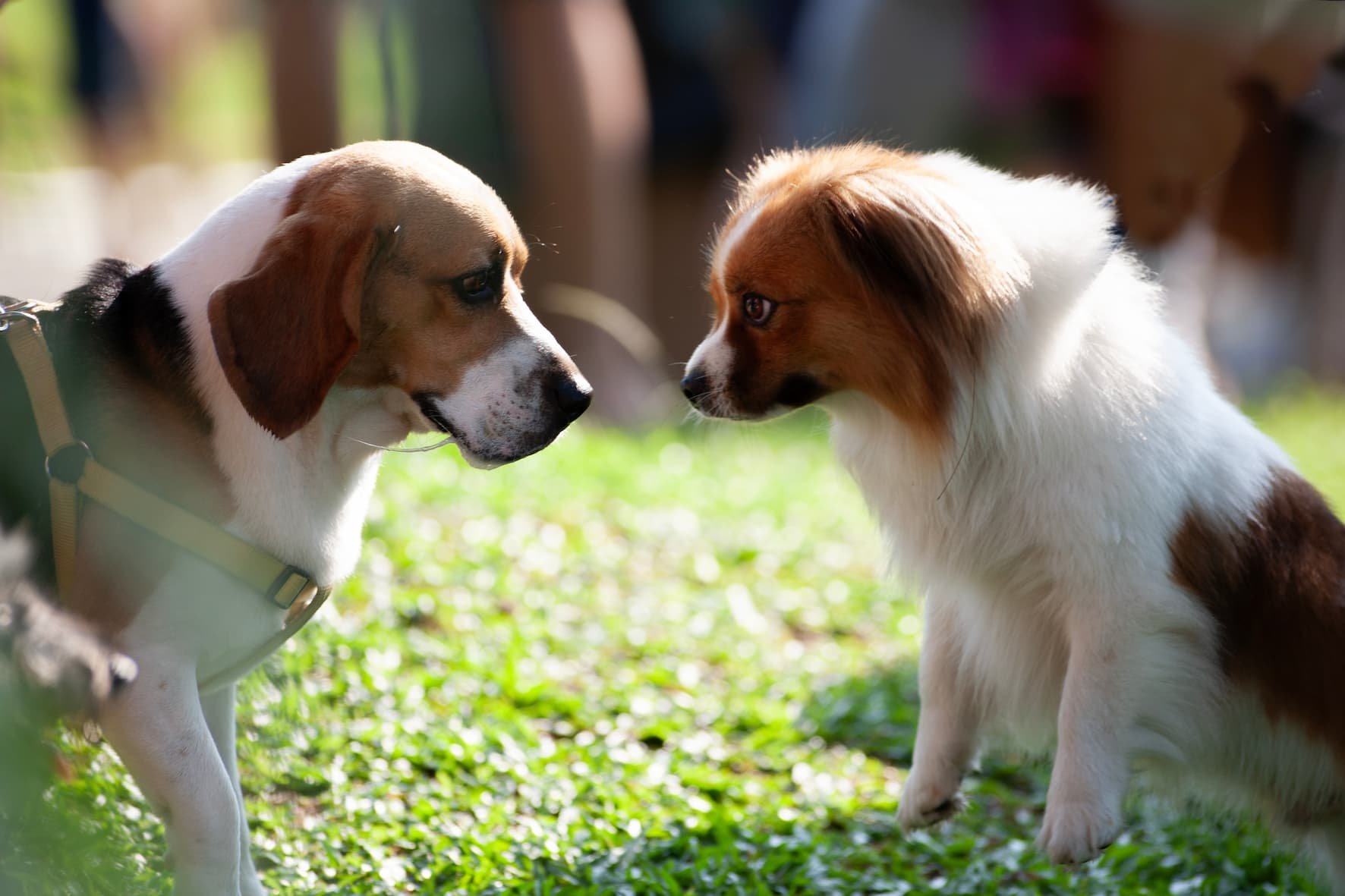
First Meetings: Neutral and Positive Introduce on neutral ground (like a park) with both on loose leashes. Walk parallel first, letting them sniff briefly, then reward calm curiosity with praise and treats. Keep it short and end on a high note.
Bring Everyone Home Gradually Let the new dog explore the house first (while the resident is out), then swap scents with blankets. Supervise all interactions closely at first—separate when you're away.
Manage Habits: Good and Not-So-Good Yes, older dogs absolutely can teach great habits! A steady senior might show the puppy how to settle quietly, come when called, or walk nicely. But to prevent bad ones:
Train separately at first (one in a crate while working with the other).
Reward only the behaviors you want—ignore or gently redirect unwanted ones.
If your older dog has habits you'd like to improve (like door dashing), now's the perfect time to retrain them both together for fresh starts.
Options for Training and Daily Life
Individual Sessions First: Build basics one-on-one, then practice group commands (like a shared "come" or "place").
Board-and-Train Programs: Ideal for multi-dog homes—your new arrival (or everyone) gets focused training in a structured environment, returning with better habits that rub off positively.
One-on-One Private Lessons: Perfect for addressing specific dynamics, like teaching impulse control or polite greetings. Separate feeding, resources, and rest areas prevent guarding and give everyone space.
With consistency, most families see real bonding within weeks—and the joy of a peaceful pack is worth every patient step.
If you're welcoming a new pup or adult dog soon and want help navigating introductions, preventing habit transfer, or resetting training for the whole crew, I'm here with personalized guidance. My one-on-one sessions and board-and-train options are tailored just for Oklahoma families like yours—let's create that calm, joyful home your dogs deserve. Tell me about your pack—I'd love to hear! 🐕🐶❤️