Managing Separation Anxiety: Practical Tools to Help Your Dog Feel Secure When You’re Away
Hello friends!
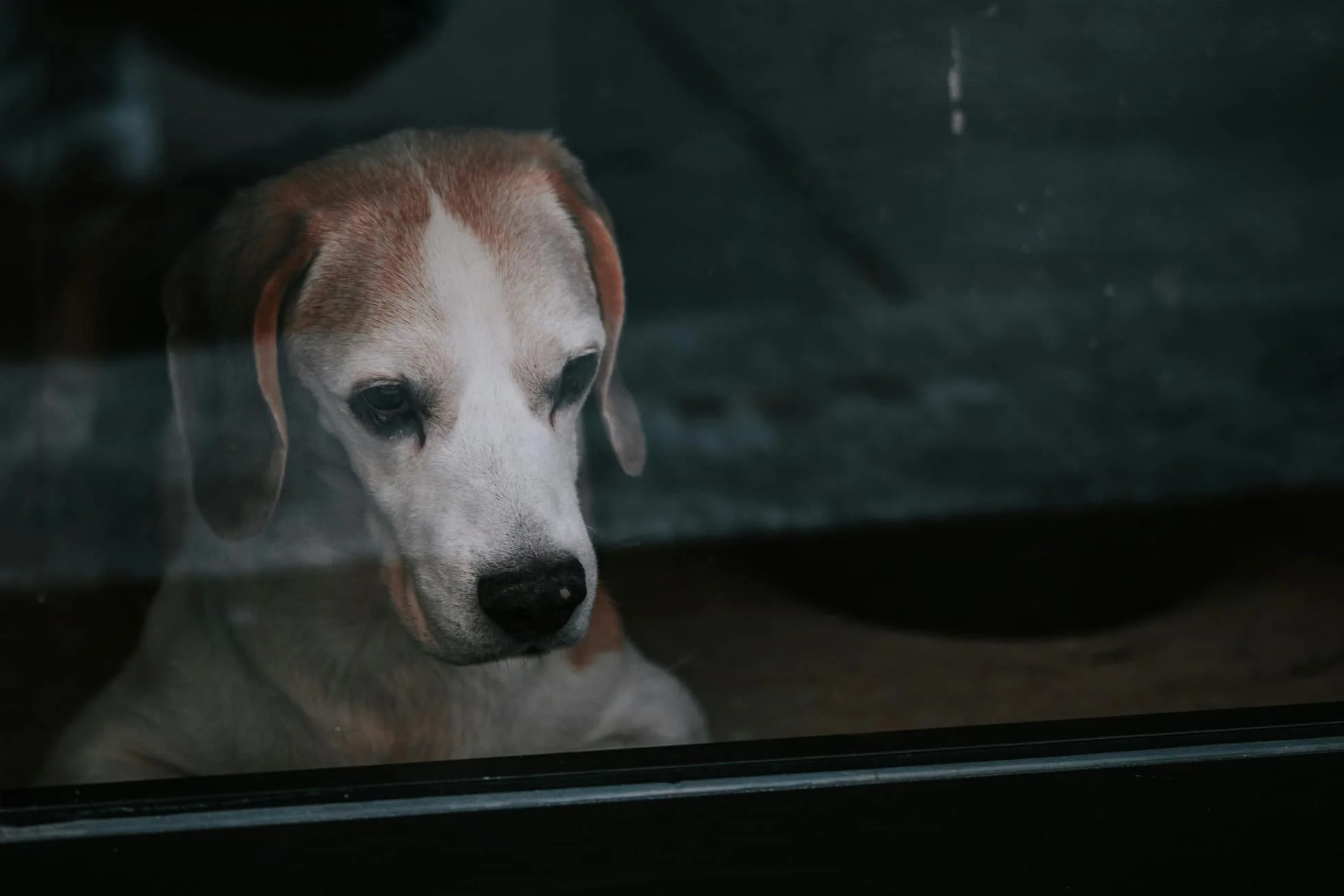
One of the most common (and heartbreaking) issues I see here in Oklahoma is separation anxiety. Whether it’s stormy spring weather keeping you inside more, long workdays, or travel plans, many loving dogs struggle when left alone. The good news? With patience, consistency, and the right plan, we can help most dogs learn that alone time is safe and even peaceful.
This article builds directly on our house training, crate confidence, and calm behavior posts. If your dog paces, whines, barks, or destroys things when you leave, you’re not alone—and you’re not failing as a pet parent. Let’s walk through practical steps together.
Signs Your Dog May Have Separation Anxiety
Excessive vocalization (barking, howling) when you leave.
Destructive behavior focused on doors, windows, or your belongings.
Panting, drooling, or pacing.
Refusing food or treats when alone.
Following you from room to room (velcro dog behavior).
Oklahoma’s unpredictable weather and busy schedules can make this tougher, so starting early is key.
Step-by-Step Tools to Build Independence
1. Rule Out Medical Issues First
Always start with a vet visit. Pain, thyroid issues, or other conditions can mimic anxiety.
2. Create a Safe "Home Base"
Use a crate or a comfortable room with familiar bedding, a frozen stuffed Kong, and calming music (many dogs love soft classical or thunder shirts during storms). Never use the crate as punishment.
3. Practice Calm Departures and Arrivals
Keep goodbyes and hellos low-key—no big emotional scenes.
Mix up your routine: Pick up keys but don’t leave, put on shoes then sit down. This reduces the "cue" power.
4. Gradual Desensitization (The Most Important Skill)
Start with super short absences (5–10 seconds) while your dog is calm. Reward quiet behavior when you return. Slowly increase time over days and weeks. For mild cases, this works beautifully at home.
5. Enrichment and Exercise
A tired dog is a calmer dog. Morning walks or play sessions before you leave help a lot. Use puzzle toys, lick mats, or long-lasting chews for alone time.
6. Build Overall Confidence
Daily short training sessions (sit, stay, place) boost your dog’s sense of security. We see huge improvements when dogs learn they can relax on their own.
For Moderate to Severe Cases
This is where our personalized training and boarding services shine. A board & train program can "reset" patterns in a new environment with professional guidance, then we transition everything back to your home. Many Oklahoma families see life-changing results in just a few weeks.
Oklahoma-Specific Tips
During storm season, pair thunder with positive associations (treats and calm music).
Use dog walkers or daycare a few days a week as a bridge while building tolerance (Use caution when choosing a doggy daycare. They need to make sure they are staffed appropriately and dogs are monitored carefully.)
Consider calming aids (consult your vet) like Adaptil or prescription options for severe cases.
Real Progress Is Possible
One of my favorite success stories was a sweet rescue who used to destroy doors. After consistent desensitization practice plus some focused training sessions with us, she now happily settles with her Kong when her family heads to work. Your dog can get there too!
Let’s Help Your Dog Feel Secure
If this feels overwhelming, that’s exactly why we’re here. Our in-home training, board & train, and boarding packages are tailored to Oklahoma families dealing with separation anxiety. We’ll create a step-by-step plan that fits your lifestyle and your dog’s personality.
Have you noticed signs of anxiety in your pup? Share in the comments (kindly!)—we’re here to support you every step of the way.
Wagging tails and peaceful homes,
Jen 🐾